Project Name: C40 Cities Finance Facility (CFF) – Technical and Financial Feasibility Studies for a Municipal Solid Waste Source Separation and Compost Project in Accra, Ghana
This project forms part of a global collaborative initiative in 100 cities worldwide, which is focused on fighting the climate crisis and driving urban action that reduces greenhouse gas emissions and climate risks, while increasing the health, wellbeing and economic opportunities of urban residents. The project in the City of Accra, spearheaded by the GIZ and C40 Cities Finance Facility (CFF) with funding from Germany, the UK, France and the US, involves supporting the city of Accra by conducting Technical and Financial studies for the implementation of a bankable project and identify suitable financing sources for the implementation of waste source separation and composting system.
The project aims to reduce waste disposal, greenhouse gas (GHG) emissions from landfills, and air pollution from open burning by promoting waste segregation at the source and the decentralized treatment. Additionally, the project seeks to generate employment opportunities and enhance work security and safety for informal waste sector workers. The following are the tasks to be undertaken to accomplish the project’s objectives:
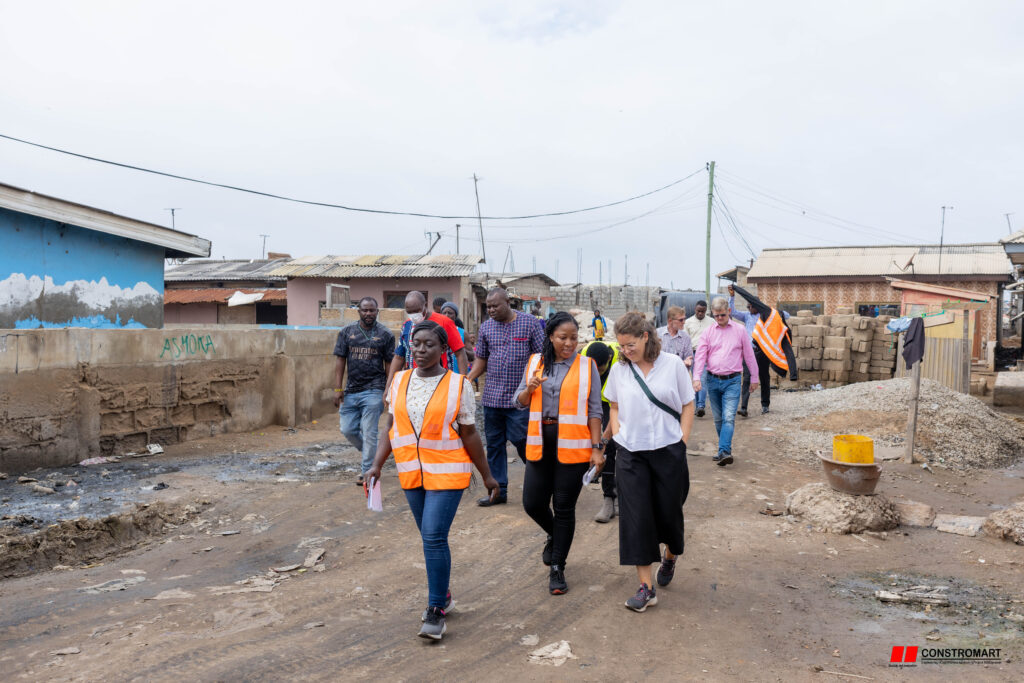
- Conduct Stakeholder Engagement: Review and determine the interests of relevant stakeholders, including communities, markets, and businesses, in the MSW source separation and composting project.
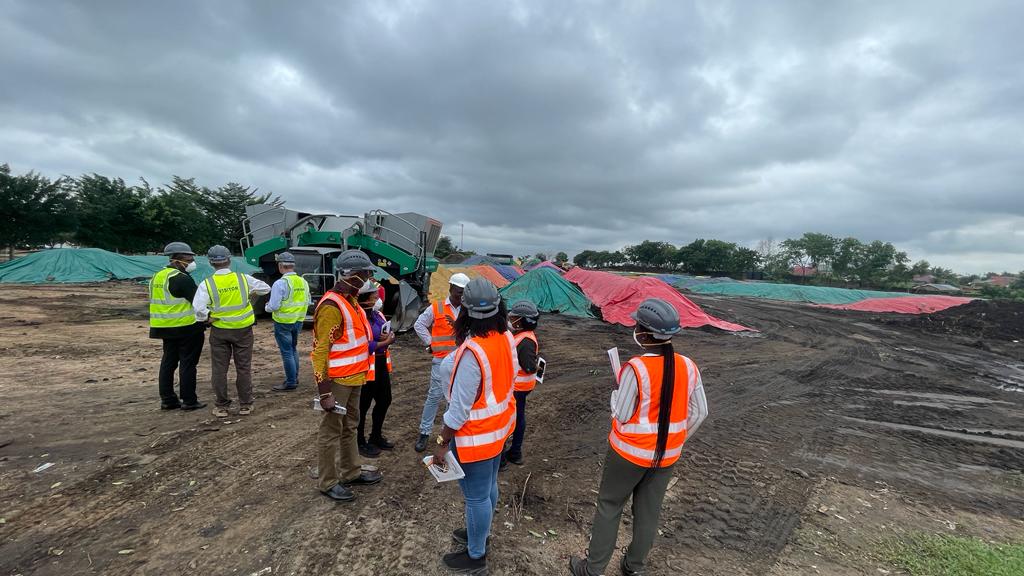
- Site Assessment: Assess the technical and environmental feasibility of proposed sites for the construction and operation of composting plants.
- Technical Feasibility Studies: Conduct comprehensive studies and analyses, including field and laboratory work, to determine the technical viability of the MSW source separation and composting processes within the city.
- Composting Technologies selection and design: Identify suitable composting technologies based on the study outcomes and site assessments.
- Develop waste segregation and collection Strategy: Design a sustainable collection strategy for the source-separated waste components, considering the roles of formal and informal waste contractors.
- Conduct Financial Feasibility Studies: Assess the financial viability of waste collection and the composting plant, including the development of a cost-benefit analysis.
- Develop a Business Model: Prepare a 10-year business model and financial projections for the most viable composting scenario.
- Market Identification: Identify potential markets for the finished compost and develop a marketing strategy.
- Institutional Strengthening: Establish the Institutional and Legal Feasibility of the Project and develop a Governance Structure for Project Implementation
- Facility Operations: Develop a sustainable facility maintenance and operational manual for the composting facilities.
- Training: Conduct training programs for relevant staff involved in the project implementation.
- Financing Support: Identify financing institutions and support the city in preparing and applying for financial assistance from donor-funded institutions to implement the project.
Experts provided by Constromart include: Solid Waste Management Specialist, Financial Analyst, Social Inclusion and Community Engagement Specialist, Urban Development Planning Specialist, Environment and Social Impact Assessment Specialist.
Client Name: Deutsche Gesellschaft für Internationale Zusammenarbeit (GIZ) GmbH
Funding Agency: BMZ, UK Government (BEIS), AFD, USAID