

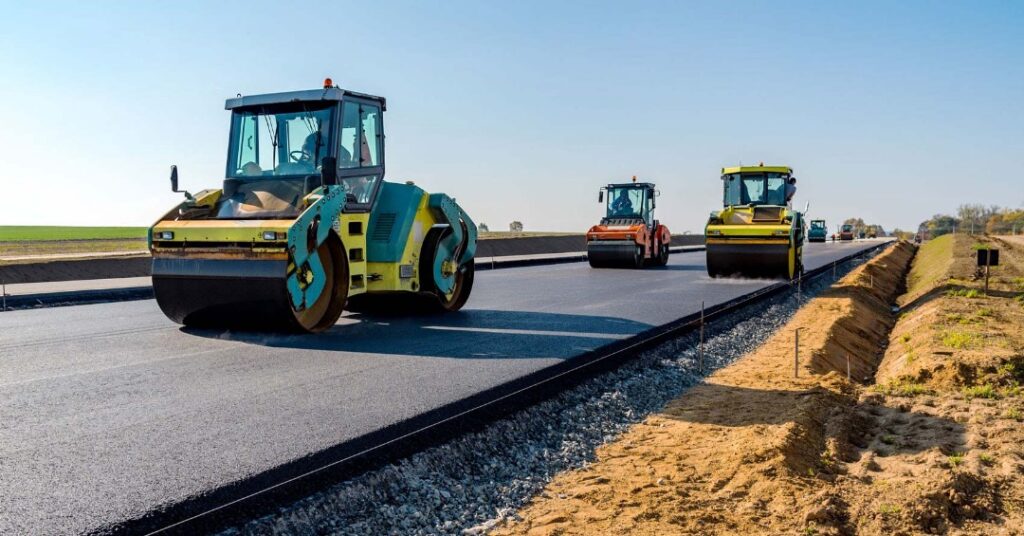
Constromart’s Weekly Knowledge and Experience Vol. 4, No. 5 recently explored significant advancements in construction technology designed specifically for infrastructure development with Eng. Neil Dale from Anyways Solutions. The session focused on innovative approaches and solutions, emphasizing climate resilience amidst modern infrastructure challenges and the cutting-edge technologies essential for creating robust, sustainable infrastructure.
Eng. Dale highlighted the pressing need for climate resilience in infrastructure development, emphasizing the importance of considering environmental, social, and economic impacts during the planning and design phases. By leveraging advanced technologies such as remote sensing, AI, and machine learning, Eng. Dale demonstrated how these tools are pivotal in conducting climate risk analysis and assessing pavement conditions. He added that this data-driven approach is essential for designing resilient pavements that can adapt to changing environmental conditions.
Furthermore, Eng. Dale addressed the unique challenges and opportunities in infrastructure development within developing countries. He stressed the necessity for localized solutions that account for specific regional climate impacts. By considering factors like floods and extreme heat events, infrastructure can be designed to meet Sustainable Development Goals more effectively. The use of remote sensing technology and digital terrain models, created using satellite data, was emphasized for efficient decision-making and improved transportation infrastructure.
Additionally, the application of digital technology in road planning and maintenance was another focal point of Eng. Dale’s presentation. He detailed the use of hydrology assessments, AI tools for image analysis, and multi-spectral analysis for large-area assessments. A notable innovation introduced was a car-mounted system for pavement asset management, which collects imagery to identify defects and optimize maintenance strategies. This technology is crucial for designing roads that are resilient to climate change, ensuring their longevity and sustainability.
Eng. Dale also emphasized the critical role of educational institutions in preparing the next generation of engineers to prioritize climate resilience and adopt new technologies. He highlighted that fostering research and educational partnerships between the private sector and universities enables quicker integration of innovative approaches and technologies. This collaborative effort ensures that future engineers are well-equipped to address the evolving challenges in infrastructure development effectively.
Overall, the session underscored the importance of integrating advanced technologies and climate resilience into infrastructure development. Eng. Dale’s insights into data-driven approaches and localized solutions provided a comprehensive roadmap for designing robust and sustainable infrastructure, particularly in the face of climate change challenges.


