

Constromart Knowledge and Experience Seminars Vol. 1 No.11, June 26, 2023 Presented
by David Glendinning
The construction industry is a vital contributor to the global economy but is also plagued with disputes. These disputes arise from various factors such as delays, cost overruns, variations, defects, and breaches of contract. This article discusses the root causes of construction disputes, who suffers the most significant losses, and the industry’s efforts to address the problem.
One of the primary causes of construction disputes is a lack of clear communication between parties involved in the project. This problem manifests in unclear contractual terms, inadequate attention to project specifications, inadequate project planning and management, unrealistic deadlines, poor project coordination, and a lack of skilled labor. Additionally, disputes may arise when contractual terms such as cost overruns, delays, variation orders, and design defects are not met, or environmental concerns and safety issues are overlooked.
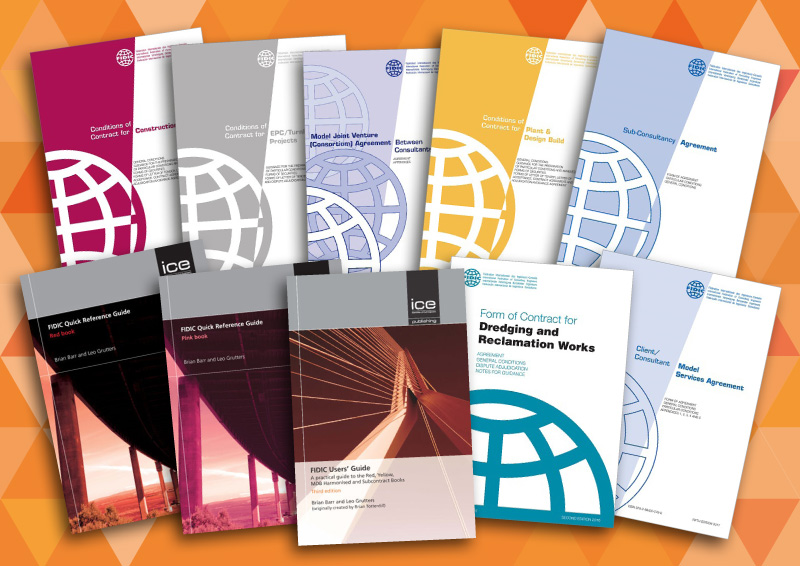
Construction disputes can have severe consequences for all parties involved. Poorly managed disputes can damage reputations, lead to liability claims, and may result in accidents or injuries. Nevertheless, these challenges can be mitigated by adhering to the FIDIC Golden Principles in contract drafting. These principles guide employers and contractors on developing contracts and execution while keeping risks at a minimum level.
Effective dispute resolution requires identifying the root cause accurately. Distinguishing between technical and human problems and addressing these issues can help to achieve an equitable resolution to construction disagreements. Technical problems may include design issues, while human problems may involve poor communication, lack of professionalism or unethical behavior.
Ghana’s construction industry is a significant contributor to their economy with investment centered on infrastructure. The government has invested in reforms to promote public-private partnerships, resulting in significant growth in the road, port, and aviation sectors. The traditional courts systems and alternative dispute resolution methods, such as mediation and arbitration, regulate the dispute resolution mechanisms. Nonetheless, disputes in Ghana’s construction industry persist and may arise from political and economic pressures.
In summary, construction disputes have far-reaching effects on all parties involved. By addressing challenges such as poor communication, identifying technical and human problems, and adopting the FIDIC Golden Principles, the industry can promote transparency and reduce the likelihood of costly disputes. Ultimately, disputes in the construction industry have the potential to adversely affect project end-users, making it essential to address these challenges before they manifest into costly conflicts that disrupt project delivery.


